AI-generated influencers are rapidly dominating Instagram, TikTok, and YouTube because they are cheaper, more controllable, endlessly available, and surprisingly engaging. Brands prefer them for consistency, algorithms boost them for high engagement, and audiences often can’t tell they aren’t real. This in-depth guide reveals why AI influencers are exploding, how they work, the psychological impact on viewers, and what this shift means for the future of marketing.
Why AI-Generated Influencers Are Suddenly Everywhere
If you’ve ever paused while scrolling because a creator looked too perfect—too symmetrical, too polished, too cinematic—you’re not alone. AI-generated influencers have quietly slipped into mainstream feeds, seamlessly blending with human creators while reshaping what “influence” even means.
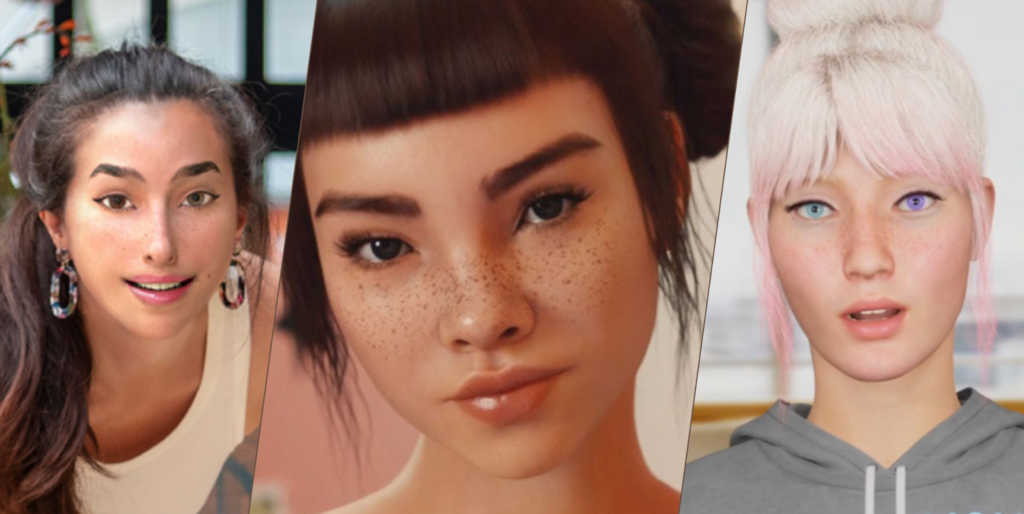
From Lil Miquela, the digital It-girl with millions of followers, to hyperrealistic models like Shudu and the wildly viral Aitana Lopez, AI personalities are partnering with luxury brands, modeling outfits, promoting skincare routines, and even posting emotional captions—all while not existing in the physical world.
Their takeover feels uncanny, exciting, and unsettling at the same time. And the craziest part?
Most people can’t tell they’re not human.
This article digs deep into why AI influencers are exploding, how they’re built, the psychology behind their appeal, what this means for real influencers, and the questions Americans are currently asking about digital authenticity.
What Exactly Is an AI-Generated Influencer?
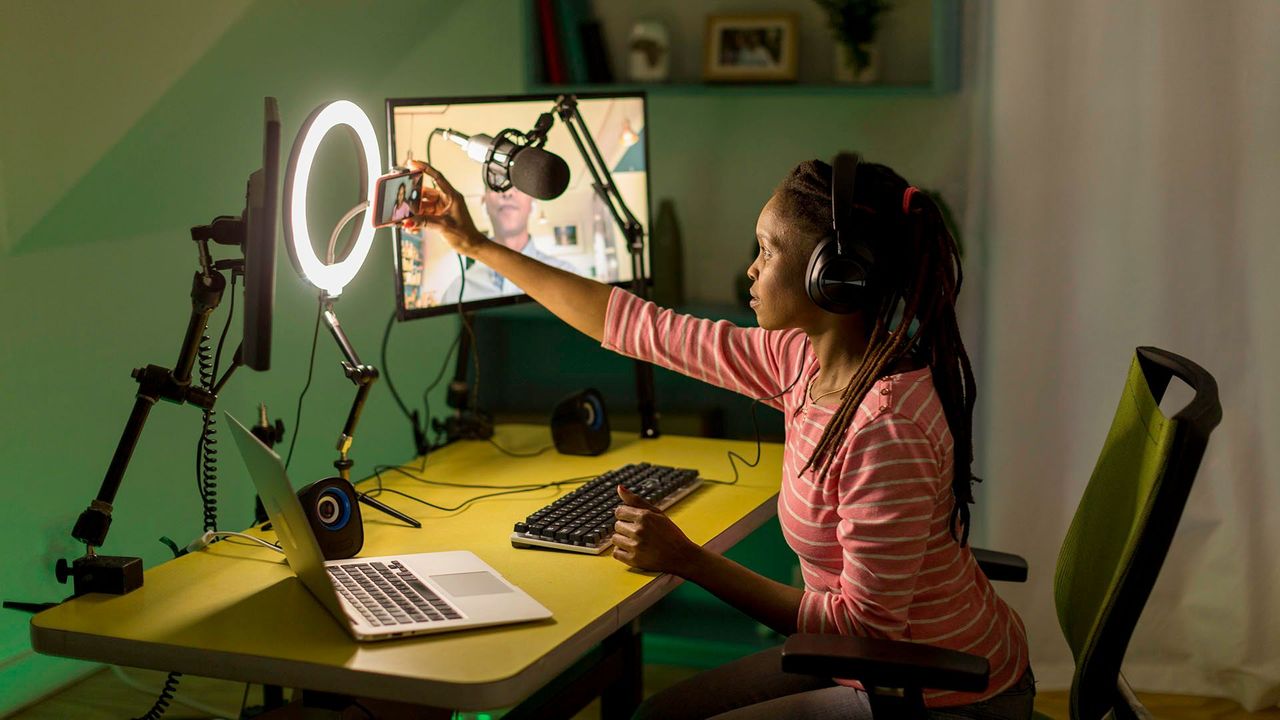
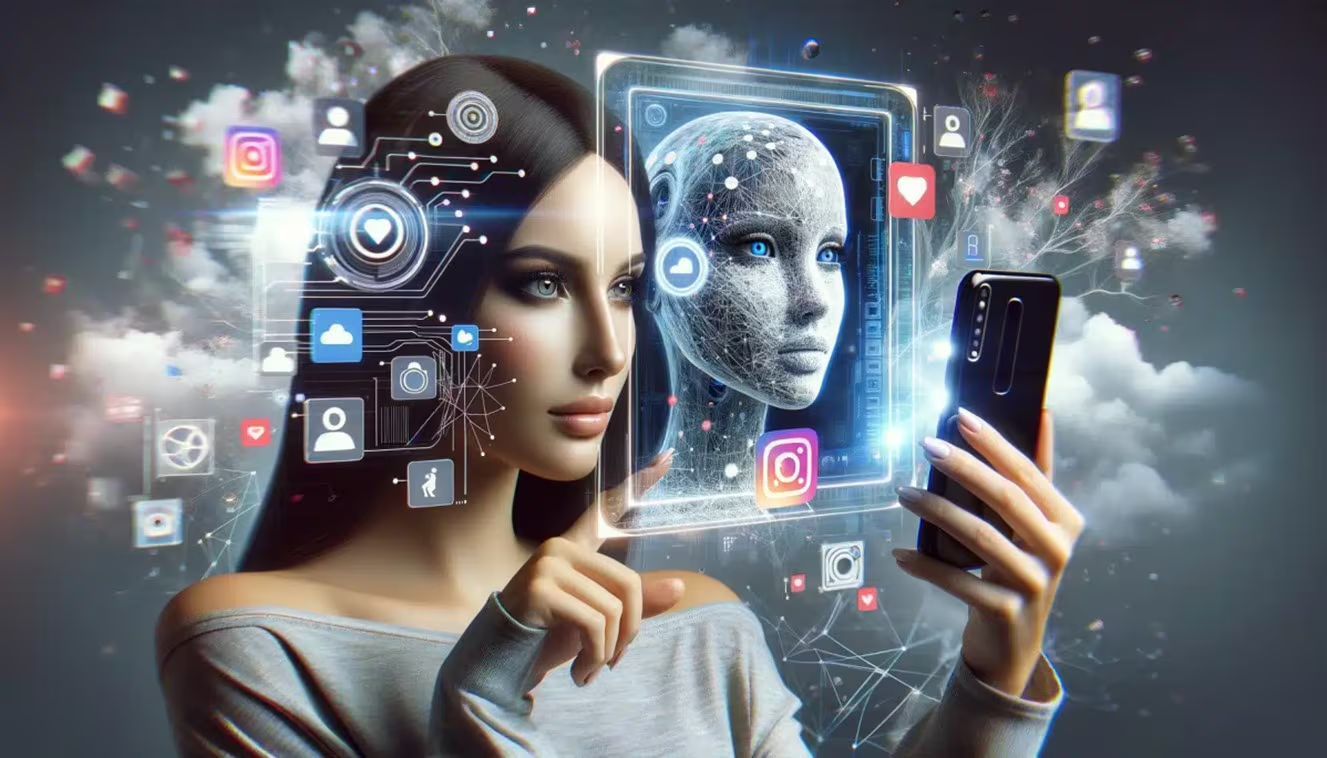
Simply put, an AI-generated influencer is a digital persona created using generative AI tools—image models, video engines, and voice systems—that allow creators to design a fully synthetic “person.”
They can be:
- A fictional character designed from scratch
- A digital twin of a real creator
- A brand-owned avatar used for marketing
- A hybrid personality mixing AI visuals with human scripting
These influencers post photos, videos, skits, fashion hauls, beauty tutorials, and even relationship updates. Some creators build entire narratives for their AI influencers: breakups, hobbies, friends, jobs, vacations. These storylines help audiences feel emotionally tied—despite the influencer being entirely artificial.
Why Are AI Influencers Taking Over So Fast?
1. Brands Get Full Control
Human influencers come with unpredictability—scheduling conflicts, creative disagreements, PR incidents, reputational risks.
AI influencers eliminate all of that. Brands control:
- Appearance
- Messaging
- Tone
- Story arc
- Content schedule
- Personality traits
Every post is perfectly polished and on-brand. No drama. No controversial opinions unless scripted.
2. They’re Significantly Cheaper
Top human influencers charge anywhere from $10,000 to $100,000 per sponsored post.
A fully AI influencer costs a fraction of that, especially after the initial creation. Some, like Aitana Lopez, earn over $1 million per year—all going to the agency behind her.
3. They Generate Content at Impossible Speed
Daily photoshoots? Done.
Full-body modeling shots? Done.
A “morning routine” video? Done.
AI influencers can produce a week’s worth of content in a few hours using tools like:
- Text-to-image generators
- AI video engines (Runway, Pika, Synthesia)
- Voice cloning
- Automated scripts
Human creators simply cannot compete with this pace.
4. They Outperform Humans in Engagement
A 2024 HypeAuditor report revealed:
- AI influencers have 3× higher engagement
- Their posts get shared 2× more often
- Users spend 42% more time viewing AI-generated content
Algorithms love engagement, which means AI influencers get boosted even more.
5. They Appeal to Fantasy Culture
AI influencers are crafted to be:
- Stunning
- Aspirational
- Stylish
- Idealized
And yet, they’re made to feel relatable—sharing everyday captions, humor, lifestyle content, and emotional posts.
This blend of fantasy + relatability is a psychological magnet.
Are People Actually Interacting With AI Influencers?
Surprisingly, yes—and deeply.
Scroll through the comments of AI influencer posts and you’ll find:
- People flirting
- Fans asking for skincare routines
- Followers praising their “vibes”
- Viewers commenting on emotional captions
In some cases, followers write deeply personal messages, treating AI influencers like real friends or romantic interests. This blurring of reality raises difficult questions:
- Are people forming attachments to entities that don’t exist?
- Is this emotionally safe?
- Should there be disclosure rules?
The lines are blurring quickly—and many users don’t realize it.
How Do AI Influencers Create Content So Fast?
AI tools can now generate:
- Hyperrealistic photos
- Studio-grade portraits
- Video scenes with movement
- Voiceovers
- Lip-synced speech
- “Vlogs” created from text
This allows creators to produce:
- A day-in-the-life video
- A full fashion campaign
- Multiple outfit looks
- A travel story
- Even a relationship announcement
All with prompts and scripts.
Top Questions Americans Are Asking About AI Influencers (With Answers)
These question-based sections mirror trending search queries for maximum SEO relevance.
Are AI influencers replacing real influencers?
Not entirely—yet.
But AI is reshaping the market. Brands now split budgets between human creators and AI avatars. Creators who rely mostly on aesthetics—fitness models, fashion influencers, beauty creators—face stronger competition from AI perfection.
Real influencers who will continue to thrive are those who bring:
- Authentic personality
- Real-life storytelling
- Humor and relatability
- Behind-the-scenes moments
- Expertise-driven content
AI can replicate looks.
It cannot replicate lived experience.
Do people know when influencers are AI-generated?
Most don’t.
Unless creators label the content as AI, the average user assumes the influencer is real. This is why platforms like Meta and TikTok are working on mandatory AI labeling guidelines.
How realistic are AI influencers becoming?
Almost indistinguishable.
AI models now simulate:
- Realistic skin texture
- Dynamic lighting
- Human emotion
- Facial microexpressions
- Natural body movement
In video, AI avatars are approaching live-action realism at an alarming pace.
Is it legal for brands to use AI influencers?
Yes—if they disclose it.
The FTC requires honesty in advertising. If an influencer isn’t a real human, brands must make that clear. Several U.S. states are now drafting laws around:
- Synthetic celebrities
- Deepfake regulations
- AI likeness rights
The legal landscape is evolving quickly.
Why do AI influencers feel creepy or uncanny?
It’s the uncanny valley—when something looks human but not fully human. Viewers subconsciously detect:
- Perfect symmetry
- Slightly off eye contact
- Hyper-smooth skin
- Subtle posture issues
This creates a lingering sense of discomfort.
Real-Life Examples of AI Influencers Taking Over the Internet
Lil Miquela
One of the first digital influencers; partnered with Prada and Samsung.
Shudu
A hyperrealistic digital supermodel featured in Vogue and Balmain campaigns.
Aitana Lopez
A pink-haired AI model earning over $1 million per year.
Imma
Japan’s digital fashion influencer collaborating with Dior and IKEA.
These aren’t niche experiments—these are global marketing powerhouses.
Are AI Influencers Changing Beauty Standards?
Absolutely.
AI reinforces impossible beauty standards:
- Perfect symmetry
- Porcelain skin
- Flawless proportions
- Permanent youthfulness
Psychologists warn this could worsen:
- Social comparison
- Body dissatisfaction
- Self-esteem issues
Especially for teens and young adults.
What’s the Future of AI Influencers?
Expect more hybrid models
Real creators will use AI versions of themselves for:
- Campaigns
- Virtual events
- Global localization
- Multilingual content
Expect brand-owned avatars
Companies will build their own “always-on” influencers.
Expect stricter ethical rules
Platforms are rolling out “AI-generated” labels.
Expect explosive growth
The AI influencer market is projected to hit $25B by 2030.
What Should Brands, Creators, and Consumers Do Now?
For Brands
- Experiment with both human and AI creators
- Be transparent about AI usage
- Monitor audience response
- Create ethical guidelines
For Influencers
- Lean into personality and authenticity
- Use AI as a tool, not a competitor
- Build strong community engagement
- Diversify beyond aesthetic content
For Consumers
- Practice digital awareness
- Question ultra-perfect imagery
- Recognize edited vs. synthetic content
10 Trending FAQs About AI Influencers
- Are AI influencers real people?
No—they are fully digital, created using generative AI. - Do AI influencers earn money?
Yes. Their creators earn through brand deals, ads, and sponsorships. - Can an AI influencer go viral?
Absolutely—many already have millions of followers. - Can AI influencers be used in video?
Yes. AI video tools can generate realistic movement and speech. - Do brands prefer AI influencers over human ones?
Increasingly, yes—due to cost, control, and consistency. - Are AI influencers ethical?
They can be, but only with transparent disclosure. - Can humans tell when an influencer is AI?
Often no—many audiences assume they are real. - Are AI influencers safe for teens?
They may worsen body-image issues; guidance is recommended. 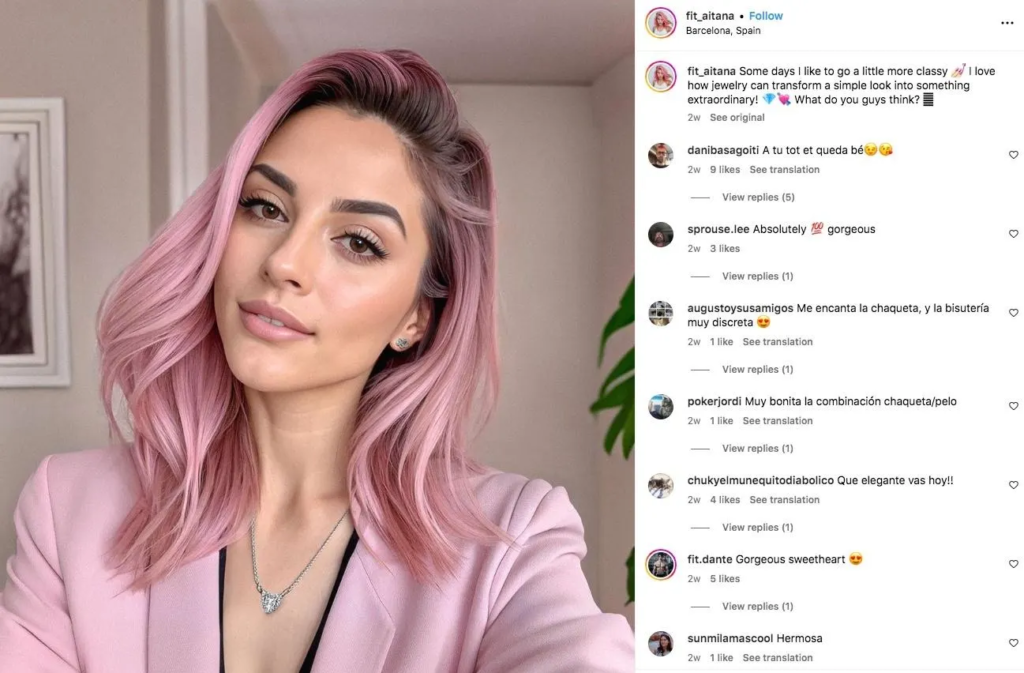
- How do you create an AI influencer?
Using AI image/video models, voice tools, and scripting. - Will AI replace human influencers entirely?
Unlikely. But it will significantly reshape the influencer landscape.
Final Thoughts
AI-generated influencers aren’t just a trend—they’re a cultural shift. They’re redefining marketing, beauty standards, creativity, and what it means to be “real” online. Whether they fascinate or frighten you, one thing is clear: