AI fashion stylists and virtual try-on technologies are transforming luxury retail by bringing personalized, immersive experiences to consumers. By leveraging computer vision, augmented reality (AR), and generative models, brands and startups are recreating the boutique experience online — reducing returns, boosting engagement, and giving high-end shoppers a bespoke feel through their screens.
Why This Moment Matters
Luxury fashion has always been about more than just clothes — it’s about exclusivity, personalization, and creating memorable experiences. Yet, as e-commerce dominates shopping habits, the intimate, concierge-like experience that defines luxury risked fading away.
Enter AI fashion stylists and virtual try-on (VTO) technologies. Together, these innovations bring the high-touch, curated luxury experience to the digital space, allowing consumers to interact with personalized styling recommendations and see realistic previews of clothing from the comfort of their own homes.
Understanding the Landscape: What Are AI Fashion Stylists and Virtual Try-Ons?
AI Fashion Stylists are systems that analyze a user’s style, body type, and preferences to suggest clothing and accessories. Think of it as a virtual personal shopper. These AI-driven stylists can recommend full outfits, mix-and-match pieces, and even anticipate future purchases based on seasonal trends and personal taste.
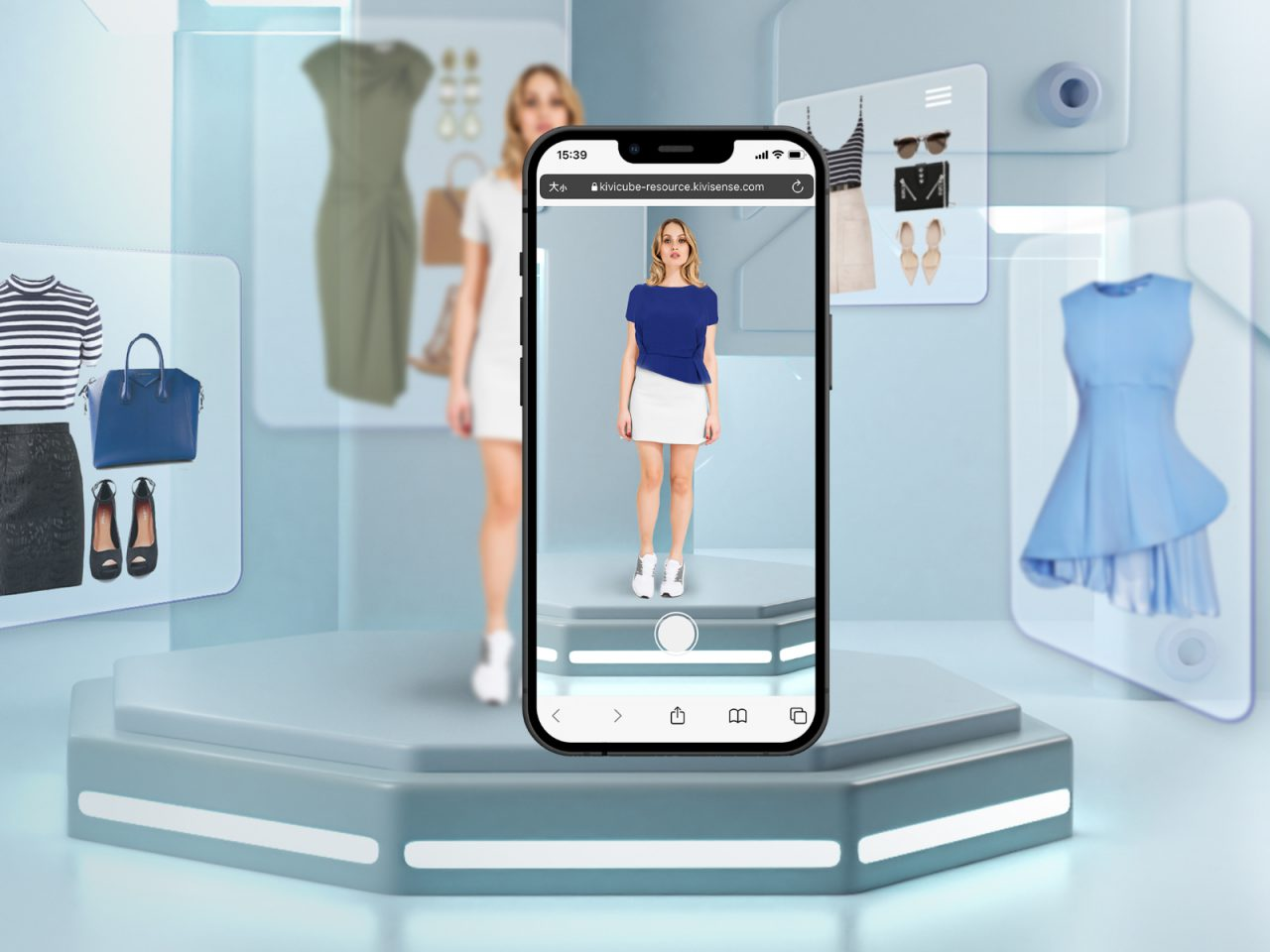
Virtual Try-Ons (VTOs) let consumers see how clothes or accessories will look on them digitally. Using AR, computer vision, and 3D modeling, VTO platforms overlay garments onto a user’s image or avatar in real time. This creates a highly realistic preview of fit, style, and overall look.
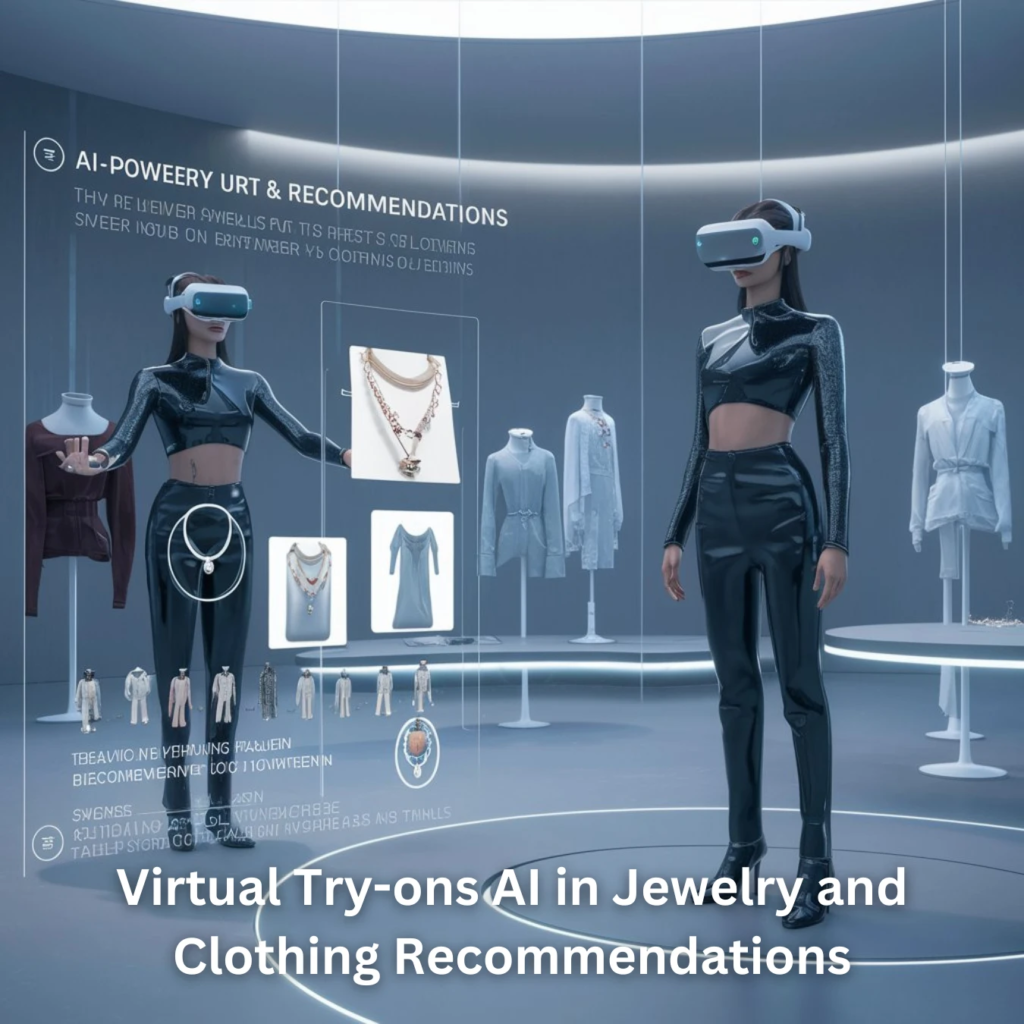
Combined, AI stylists and VTOs replicate the boutique experience online: consumers receive curated fashion advice and visualize the items on themselves, bridging the gap between in-store and online shopping.
Market Momentum: Why Brands Are Betting Big
- The global virtual try-on market is projected to reach $46.42 billion by 2030, growing at a CAGR of ~26.4% (Grand View Research).
- The broader virtual try-on technology market could hit $72.23 billion by 2033, reflecting surging adoption across fashion, beauty, and eyewear (Acumen Research).
- The virtual fitting room market, encompassing VTO plus styling, is expected to grow to $13.12 billion by 2033, at an annual growth rate of ~16% (Global Growth Insights).
- Over 120 major fashion brands had implemented AI-powered recommendation engines by 2023, reducing overstock and creating personalized shopping experiences (Market Growth Reports).
These figures confirm that luxury brands are investing heavily in tech to keep their offerings relevant, engaging, and profitable in the digital age.
Real-World Examples: How Luxury Is Getting Personal Again
- Vivrelle + Ella
Luxury membership service Vivrelle introduced an AI stylist called Ella. Users input their brand preferences, colors, and occasions, and Ella curates luxury pieces for rental, resale, or purchase — including Prada, Chanel, Khaite, and The Row. This mirrors the feeling of a personalized stylist session online. (WhoWhatWear) - Doji
The startup Doji allows users to create realistic avatars from selfies to virtually try on designer clothing. With partnerships featuring Maison Margiela and Rick Owens, Doji demonstrates the power of digital fashion personalization. (Business Insider) - New York Fashion Week & In-Store AI
At NYFW 2025, Ralph Lauren introduced “Ask Ralph,” an AI assistant providing styling recommendations in-store. This demonstrates that AI styling can enhance both digital and physical luxury experiences. (NY Post)
How It Works: The Technology Behind Personalized Luxury
- Computer Vision + Body Modeling
- AI analyzes user photos or scans to generate accurate digital avatars.
- Generative models simulate clothing fit, drape, and texture realistically.
- AI analyzes user photos or scans to generate accurate digital avatars.
- AI Styling Agents
- AI learns user preferences through feedback and suggests outfits tailored to your lifestyle, body, and personal style.
- AI learns user preferences through feedback and suggests outfits tailored to your lifestyle, body, and personal style.
- Augmented Reality Rendering
- AR overlays clothing on live video or avatar images, giving real-time virtual try-on experiences.
- Users can save avatars and build a digital wardrobe over time.
- AR overlays clothing on live video or avatar images, giving real-time virtual try-on experiences.
This combination of AI and AR brings luxury-level personalization to digital shopping, replicating the experience of boutique-level personal styling.
Why Luxury Consumers Actually Want This
Luxury buyers seek experience and curation, not just products. AI stylists and VTO platforms offer:
- Personalization at Scale: Tailored recommendations replicate in-store concierge service.
- Efficiency: Quickly discover curated selections rather than browsing hundreds of options.
- Risk Reduction: Virtual try-ons help ensure the right fit, reducing costly returns.
- Sustainability: Fewer returns and smarter production minimize waste.
- Emotional Engagement: The experience feels exclusive, enhancing the luxury identity.
Challenges and Limitations
- Accuracy & Realism: Complex textures like silk or leather are still difficult to render perfectly.
- Device Limitations: Low-end devices may not support high-quality AR experiences.
- Body Diversity: Capturing realistic avatars for all body types remains challenging.
- Privacy Concerns: Users upload sensitive data that must be securely managed.
- Integration Costs: Implementing VTO and AI styling can be expensive for smaller luxury brands.
- User Trust: Some consumers still prefer human stylists for luxury purchases.
Practical Advice: Leveraging AI Fashion Tech
For Consumers:
- Use platforms like Doji to create digital avatars and try luxury styles risk-free.
- Explore AI styling apps like Vivrelle to combine personalization with rental and resale options.
- Input precise style, size, and preference data to improve recommendations.
- Build a digital wardrobe over time to track what works best for your style.
For Luxury Brands:
- Consider hybrid AI-human styling models for scalable personalization.
- Deploy VTO in-store and online to enhance the shopping experience.
- Ensure inclusivity by supporting diverse body types.
- Protect customer data through encryption and transparency.
- Track ROI via engagement, average order value, and return reduction.
Frequently Asked Questions (FAQs)
- What is an AI fashion stylist?
An AI fashion stylist is a digital system that recommends outfits based on user preferences, body type, and lifestyle — essentially a virtual personal shopper. - How do virtual try-ons work?
VTOs use AR and computer vision to overlay clothing on your photo or avatar, providing a realistic preview of fit and style. - Are virtual try-ons accurate for luxury clothing?
Many platforms now use advanced models for realistic rendering, though complex materials like silk or leather remain challenging. - Will AI stylists replace human stylists?
Not entirely. Hybrid models combining AI recommendations with human expertise provide the most effective luxury experience. - Do virtual try-ons reduce returns?
Yes. Some retailers report up to a 36–40% drop in returns when virtual try-ons are used. - Is using photos or scans for virtual try-ons safe?
Yes, if platforms use encryption, secure storage, and clear privacy policies. - Which luxury brands are using AI stylists and VTO?
Brands like Ralph Lauren and platforms like Vivrelle and Doji are actively using AI for personalization. - How much does virtual try-on technology cost for brands?
Costs vary based on technology, platform, and realism. ROI improves with reduced returns and higher engagement. - How does AI in fashion help sustainability?
By reducing returns, optimizing production, and enabling made-to-order models, AI tech minimizes waste. - Can nonstandard body types use virtual try-ons?
Many modern platforms support diverse body types, allowing realistic avatars for accurate previews.
The Future of AI + Luxury Fashion
- Generative Fashion Design: AI could create bespoke designs for individual customers.
- Persistent Digital Avatars: Avatars could represent users across multiple platforms, including virtual worlds.
- Phygital Experiences: AI-powered mirrors and digital closets merge online and in-store shopping.
- Inclusive Luxury: Improved AI modeling supports diverse body types, genders, and identities.
- Sustainable Innovation: AI reduces waste and overproduction, aligning with eco-conscious luxury trends.
Key Takeaways
- AI stylists and VTOs bring high-end personalization to digital fashion.
- The market is growing rapidly, with billions in projected value.
- Real-world luxury brands are successfully implementing AI for styling and virtual try-ons.
- Challenges exist, but technology continues to evolve rapidly.
- Consumers and brands alike benefit from increased engagement, efficiency, and sustainability.